


Missing a tooth and wondering if dental implants make sense? When you are getting dental implants, the most useful first step is a conversation that turns maybe into a clear plan, or a clear reason to wait. Dental implants are not one size fits all, so your best next move is knowing what your mouth needs and what the process typically looks like. The questions below help you understand what is being recommended, what it involves, and how to compare it with other options.
Key Takeaways
-
Dental implants replace missing tooth roots and can support crowns, bridges, or dentures.
-
A good consult covers candidacy, imaging, possible bone prep, and the full timeline.
-
It is reasonable to ask who is doing each step and how your care is coordinated.
-
Understanding risks, alternatives, and aftercare helps you set realistic expectations.
-
Leaving with a written plan makes the next steps easier to follow.
-
What Exactly Is A Dental Implant, And What Parts Are Involved?
-
When Getting Dental Implants, Which Questions Should I Bring To The Consultation?
What Exactly Is A Dental Implant, And What Parts Are Involved?
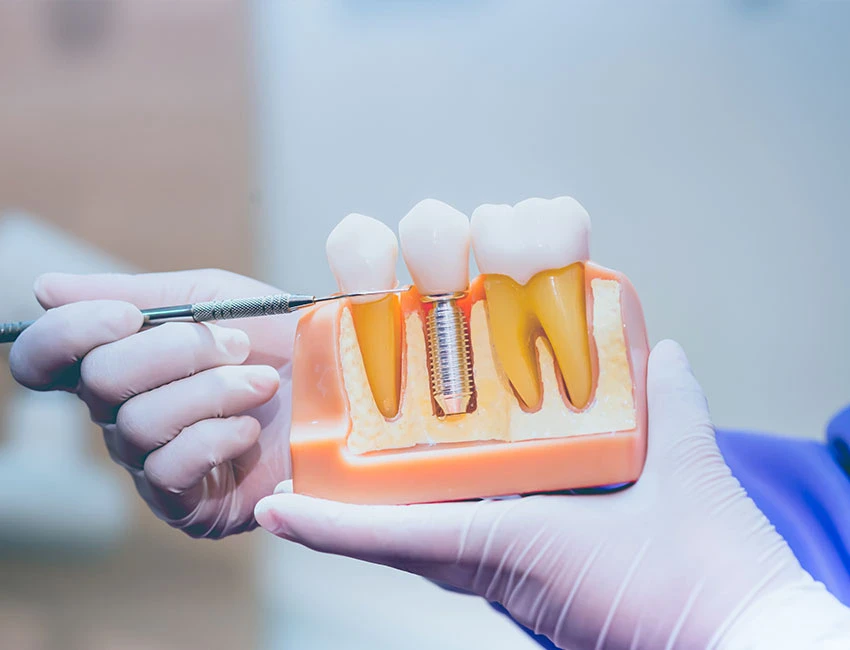
A dental implant is a medical device placed in the jaw to support a replacement tooth. Most implant treatment includes three pieces: the implant post in bone, an abutment that connects to it, and the visible tooth replacement (often a crown). Depending on how many teeth are missing, implants can support one crown, a bridge, or help stabilize a denture.
It also helps to clarify your goal: replacing a single tooth vs restoring a larger area can change the type of implant parts used and how many implants are needed. Ask your clinician to show you a diagram or model so you can visualize how the implant and the final tooth fit together.
Am I A Good Candidate For Implants?
Start here because candidacy drives every other decision. Your dental team typically considers gum health, available bone, bite forces, and your health history. Ask what findings matter most in your case and what needs to be addressed first.
It can also be useful to ask what could improve your candidacy if you are borderline, such as treating gum disease, improving daily cleaning, or completing needed extractions first. If you have habits like clenching or grinding, ask how that affects implant planning and whether a night guard might be recommended after treatment.
Will I Need Bone Grafting Or Other Prep Work?
Some sites need preparation before an implant can be placed. If bone grafting or a sinus lift is mentioned, ask why it is recommended, how long it needs to heal, and how it changes the overall schedule. Also, ask whether the plan could change once the site is evaluated during surgery.
If you are replacing a tooth that was removed a while ago, ask whether bone changes over time may affect the plan. If an extraction is needed first, ask if the implant could be placed the same day or if healing is typically recommended before placement in your situation.
When Getting Dental Implants, Which Questions Should I Bring To The Consultation?
Bring your questions in writing and treat the visit like a planning meeting. Having them ready makes it easier to leave with clear answers.
- Who will place the implant, and who will make the crown or final teeth, and how do they coordinate care?
- What training and experience do you have with cases like mine?
- What are the main risks in my specific case, and what symptoms should prompt a call?
- What alternatives fit my situation, and what are the tradeoffs of each?
- What home care will I need during healing, and what maintenance is needed long term?
- What is the estimated total cost, what is included, and what might change the estimate?
What Are The Risks, And How Are Complications Handled?
Patient resources commonly mention risks like infection, injury to nearby structures, nerve-related symptoms (numbness or tingling), and sinus issues for some upper jaw implants. Ask which risks are most relevant for your implant location, how your clinician reduces them, and what plan B is if healing does not go as expected.
You can also ask what signs of trouble look like in plain language. For example, what level of discomfort is expected after the first few days, and what changes would be concerning? This helps you monitor your healing without feeling like you are guessing.
What Are My Alternatives If I Am Not Ready For Implants?
Implants are one way to replace missing teeth, but they are not the only way. Depending on your situation, alternatives can include a fixed bridge, a removable partial denture, or a full denture. Ask how each option affects nearby teeth, how long it tends to last, and what maintenance looks like.
It is also fair to ask how each option affects cleaning and daily comfort. For example, a bridge may rely on neighboring teeth for support, while a removable option may require different home-care steps. The right choice is often the one that fits your health needs and your ability to keep the area clean over time.
Ready To Leave Your Visit With A Clear Plan?
Before you leave, ask for a written summary of the proposed steps, estimated timing, and what might change the plan. If you are considering getting dental implants, clarity is the real win: you should know what is next, why it is next, and what you can do to support healing and long-term function. Dental implants are easiest to feel confident about when the path forward is specific, understandable, and tailored to you.
If you want to learn more about dental implants, visit our Dental Implants in Fullerton page or schedule a consultation.